


Understanding the Cavalier King Charles Temperament
The Cavalier King Charles Spaniel is a beloved breed known for its charming personality. These dogs are affectionate, friendly, and eager to please.
Their temperament makes them ideal companions for families and individuals alike. Cavaliers thrive on human interaction and love being part of the family.
They are gentle and patient, making them great with children and other pets. This breed is often described as “people-oriented” due to their strong bond with owners.
Cavaliers are adaptable and can fit into various living situations, from apartments to larger homes. They enjoy both playtime and relaxation, offering a perfect balance of energy and calmness.
Their expressive eyes and sweet nature make them irresistible to many. Understanding their temperament is key to ensuring a happy and healthy relationship with these delightful dogs.
The History and Origins of the Cavalier King Charles Spaniel
The history of the Cavalier King Charles Spaniel is as charming as the breed itself. Originating in the 17th century, these dogs were favored by English royalty.
King Charles II adored them, and they often accompanied him. This royal connection contributed to their regal demeanor and enduring popularity.
Historically, Cavaliers were bred as companion dogs rather than hunters. Their affectionate nature made them the perfect courtly lap dogs. However, their spaniel ancestors were hunters, influencing their playful disposition.
Despite changes over the centuries, the breed’s key traits have remained consistent. Today, Cavaliers continue to be loved around the world for their unique blend of qualities:
- Affectionate and loyal
- Adaptable and sociable
- Intelligent and gentle
Their rich history adds to their allure, making them an appealing choice for many.


Defining the Cavalier King Charles Spaniel Temperament
When discussing the Cavalier King Charles Spaniel temperament, several traits stand out. Their affectionate and friendly nature often takes center stage. Cavaliers are known for their love of companionship and closeness to their owners.
These dogs thrive in environments where they receive ample attention. Being people-oriented, Cavaliers dislike being left alone for long periods. Their sociable disposition makes them popular among families and singles alike.
Cavalier King Charles Spaniels are gentle creatures with a playful streak. They enjoy a good frolic but are equally content with cozy cuddle sessions. Their adaptable temperament allows them to fit into varied lifestyles with ease.
Intelligence and a desire to please make Cavaliers relatively easy to train. They respond well to positive reinforcement techniques. However, it’s important to start training and socialization early.
Their traits stem from their spaniel heritage. Despite being bred as companions, they possess a keen sense of curiosity. This mix of qualities results in a dog that’s engaging yet calm.
Key aspects of the Cavalier King Charles Spaniel temperament include:
- Affectionate and gentle
- Sociable and people-oriented
- Playful yet relaxed
- Intelligent and trainable
These delightful characteristics make the Cavalier King Charles Spaniel a beloved and admirable breed.
Key Personality Traits of Cavaliers
Cavalier King Charles Spaniels are often described as having a heartwarming personality. Their key traits include warmth and endearing friendliness. This breed is known for its unwavering dedication to its human family.
Loyalty is a trait that Cavalier enthusiasts frequently highlight. These dogs form close bonds with their family members. Their affectionate nature makes them great companions for all ages.
Playfulness is another notable aspect of their temperament. Cavaliers enjoy engaging in interactive games and light-hearted mischief. However, they’re more than just bundles of energy.
Calmness is equally integral to their personality. They can adapt to both bustling households and quieter homes. This adaptability helps them seamlessly blend into their surroundings.
Cavaliers’ gentle nature also extends to interactions with other animals. They generally get along well with other pets. Their friendly demeanor often puts even the most cautious animals at ease.
To summarize, Cavalier King Charles Spaniels are:
- Loyal and affectionate
- Playful yet calm
- Social with people and animals
- Easygoing and adaptable
These personality traits combine to create a breed that is both delightful and versatile.
Cavaliers as Family Dogs: Children and Other Pets
Cavalier King Charles Spaniels are exceptional family dogs. They possess an innate fondness for children, making them wonderful companions for families with kids. Their gentle nature means they are safe around young ones.
These dogs relish being part of family activities. Whether it’s playtime or bedtime, Cavaliers love to join in. Their eagerness to participate helps strengthen their family bonds.
Cavaliers are also known for their non-aggressive behavior. This extends to interactions with other pets as well. They usually coexist harmoniously with other animals in the household.
Their friendly demeanor sets them apart. Cavaliers generally greet new furry friends with wagging tails and curious sniffs. This breed’s amicable nature makes for easy introductions and peaceful coexistence.
The breed’s temperament is well-suited for families due to:
- A loving and gentle approach to children
- Friendly interactions with other pets
- Adaptability to various family routines
- Patient and calm nature
In essence, Cavaliers excel as family dogs. Their ability to bond with humans and animals alike is truly remarkable.
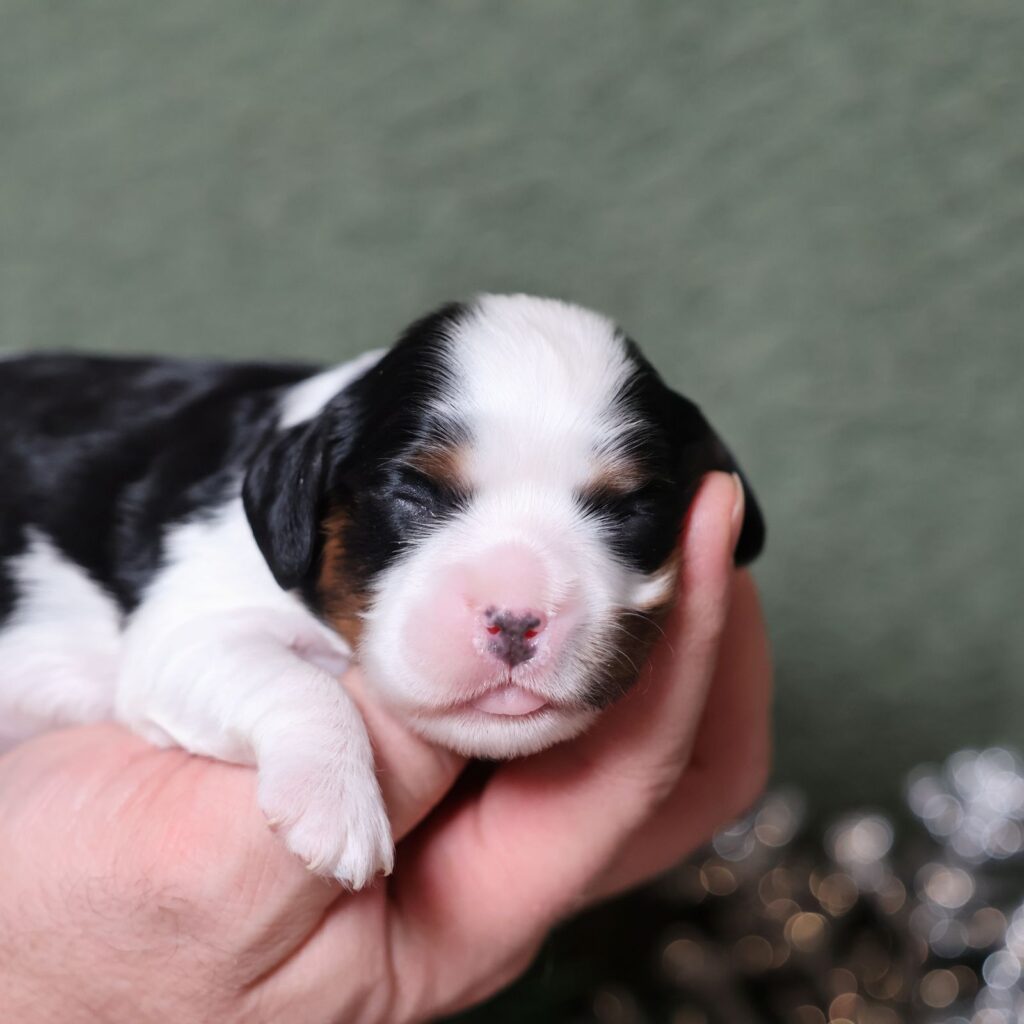

Adaptability: Cavaliers in Different Living Environments
Cavalier King Charles Spaniels are known for their adaptability. Whether in a bustling city apartment or a spacious suburban home, they thrive with ease. Their moderate size makes them perfect for various living situations.
These dogs are content as long as they receive attention and love. While Cavalier temperament is friendly, they do need regular exercise. Daily walks are a must, even in urban settings.
The breed adjusts well to differing routines. They can enjoy a day of outdoor activities or a cozy day indoors. This versatility makes them excellent companions in diverse settings.
Important aspects of their adaptability include:
- Ability to thrive in small or large spaces
- Adjusting to varying daily routines
- Comfort in both urban and rural environments
Cavaliers have a unique way of blending into their surroundings. Their adaptability adds to their charm and desirability as companions.
Training and Socialization: Shaping a Well-Rounded Cavalier
Training a Cavalier King Charles Spaniel is a rewarding experience. Their intelligence and eagerness to please make them responsive learners. A gentle yet firm approach works best.
Socialization is key to developing their well-rounded nature. Exposing Cavaliers to various environments and people enhances their confidence. This breed flourishes in diverse social settings.
Consistency is crucial in training sessions. Short, engaging activities help maintain their focus. Training also strengthens the bond between owner and dog.
Key elements in training and socialization include:
- Early exposure to different environments
- Consistent training routines
- Reward-based learning to reinforce positive behavior
Cavaliers are known for their cooperative spirit and adaptability. This makes them easy to handle compared to more stubborn breeds. Patience and positive reinforcement lead to successful training outcomes.
Socially adept Cavaliers make excellent companions in multifamily and multi-pet households. Their friendly disposition allows them to fit in seamlessly with varied family dynamics.
Exercise and Mental Stimulation Needs
Cavalier King Charles Spaniels are active yet enjoy downtime. Their moderate energy level suits various lifestyles. Balancing exercise and relaxation is key to a happy Cavalier.
Daily walks are vital for maintaining their health. These outings help them burn energy and discover new scents. Physical activity also prevents obesity, a common issue with this breed.
Mental stimulation is equally important. Cavaliers thrive on interactive games and puzzles. Keeping their mind busy reduces boredom and unwanted behaviors.
Consider incorporating the following into their routine:
- Daily walks and playtime
- Puzzle toys and training exercises
- Occasional agility or obedience classes
Engaging their body and mind strengthens their well-being. Cavaliers with varied routines show fewer signs of stress. Ensuring they have enough exercise and mental challenges enhances their cheerful demeanor.
Grooming and Care: Supporting a Happy Temperament
Cavalier King Charles Spaniels boast long, luxurious coats. Regular grooming is essential to keep them looking their best. It also supports their overall health and happiness.
Brushing is crucial to prevent tangles. Aim for at least several times a week. This routine helps reduce shedding and keep their coat shiny.
Aside from brushing, focus on other grooming aspects:
- Regular ear cleaning to prevent infections
- Nail trimming to maintain comfort
- Occasional baths as needed
Consistent grooming routines lead to a healthier Cavalier. Happy dogs have a steady temperament. These grooming practices ensure they remain comfortable and content.


Common Health Issues and Their Impact on Temperament
Cavalier King Charles Spaniels are prone to several health problems. These issues can affect their temperament and behavior. It’s important for owners to be aware.
Heart disease, particularly mitral valve disease, is common in Cavaliers. It can lead to fatigue and reduced energy levels. This might make them less playful over time.
Ear infections are another concern due to their floppy ears. If untreated, they can cause discomfort and irritability. Regular checks and cleaning can help prevent these issues.
Other common health concerns include:
- Hip dysplasia causing mobility issues
- Eye problems leading to vision loss
- Syringomyelia affecting the nervous system
Each health issue can impact a Cavalier’s mood and behavior. Regular veterinary visits and early intervention are key. Addressing these health concerns helps maintain their cheerful and affectionate temperament.
Finding a Cavalier King Charles Spaniel: Breeders and Puppies
Choosing a Cavalier King Charles Spaniel begins with finding a reputable breeder. Good breeders prioritize health and temperament. They conduct necessary health screenings.
Seek recommendations from trusted sources or breed clubs. Visit the breeder to observe the environment and meet the puppies’ parents. This can give insights into temperament.
When selecting a puppy, consider:
- Health clearances from parents
- Temperament of parents and puppies
- Breeder’s knowledge and support
Puppies are cute but require commitment. Ensure you are prepared for the responsibility. Many breeders offer follow-up support, which can be beneficial.
Is the Cavalier King Charles Spaniel Right for You?
Deciding if a Cavalier King Charles Spaniel is right involves understanding their needs and your lifestyle. Consider their friendly nature and need for companionship.
Evaluate whether you can provide time for regular exercise and grooming. Cavaliers are affectionate and require attention from their families.
Considerations:
- Suitability for your living environment
- Ability to provide regular vet care
- Commitment to training and socialization
Assess if their temperament matches your lifestyle. Cavaliers are adaptable but thrive with attentive owners. Their gentle nature makes them ideal for many households, provided they are given love and care.
Frequently Asked Questions About Cavalier Temperament
What is the general demeanor of a Cavalier King Charles Spaniel?
Cavaliers are known for their affectionate and friendly demeanor. They thrive on companionship and are generally gentle and easy-going.
Are Cavaliers good with children and other pets?
Yes, their gentle nature makes them excellent with children and other pets. They enjoy social interactions and can easily adapt to multi-pet households.
How much exercise do Cavaliers need daily?
Cavaliers have moderate energy levels but need daily exercise. A mix of walks and playtime helps them stay healthy and content.
Can Cavaliers adapt to apartment living?
Yes, Cavaliers adapt well to various living situations, including apartments. Regular exercise and mental engagement are essential, regardless of space constraints.
Conclusion: The Endearing Nature of the Cavalier King Charles Spaniel
The Cavalier King Charles Spaniel is a breed cherished for its affectionate and warm disposition. They form strong bonds with their families and excel as companions. Their adaptability and gentle nature make them ideal for diverse households.
With their expressive eyes and sweet personality, Cavaliers quickly become cherished family members. Whether in an apartment or a house with a yard, they bring joy and companionship. Their playful yet calm temperament makes them appealing to a broad range of dog lovers.
This breed’s rich history and enduring charm continue to captivate those seeking a loyal and loving pet. Cavaliers embody a balance of grace and warmth that leaves a lasting impression. They remain a favorite choice for individuals and families alike, offering boundless love and companionship.