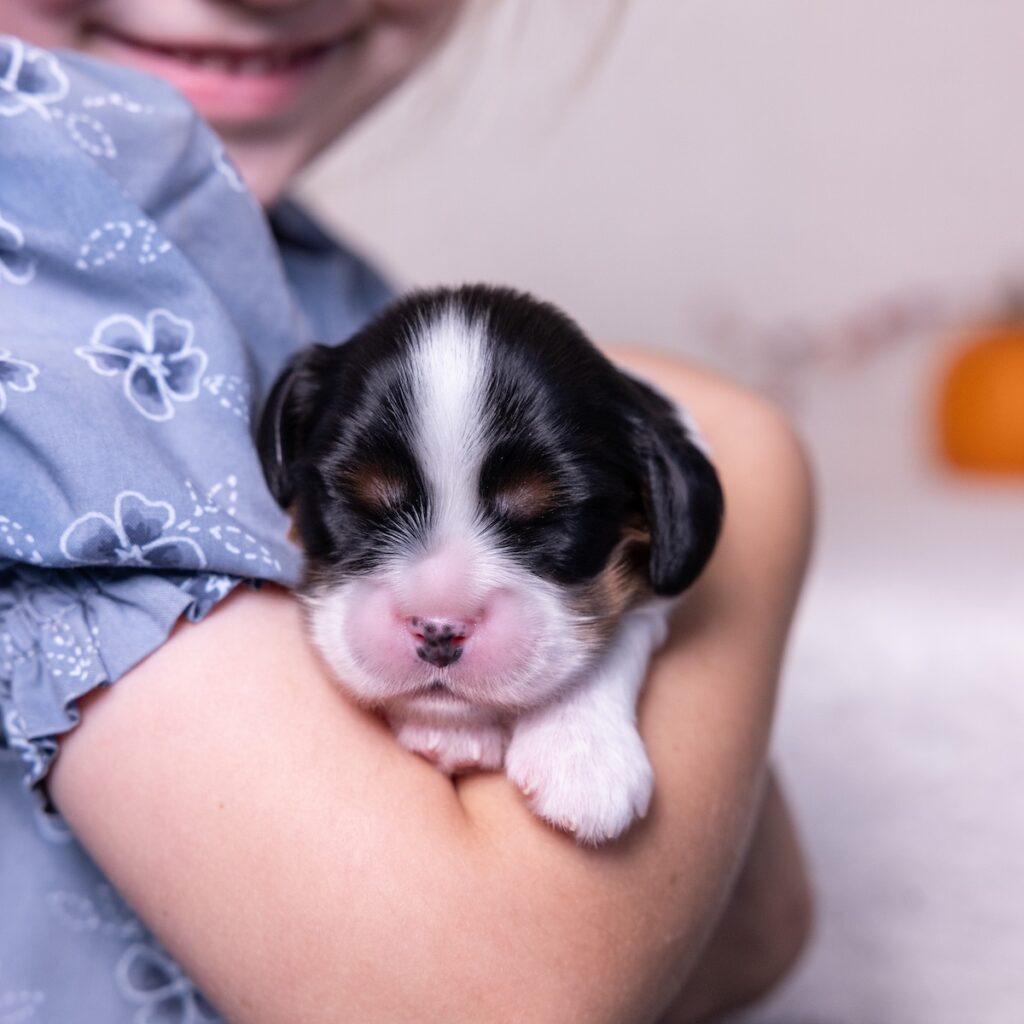
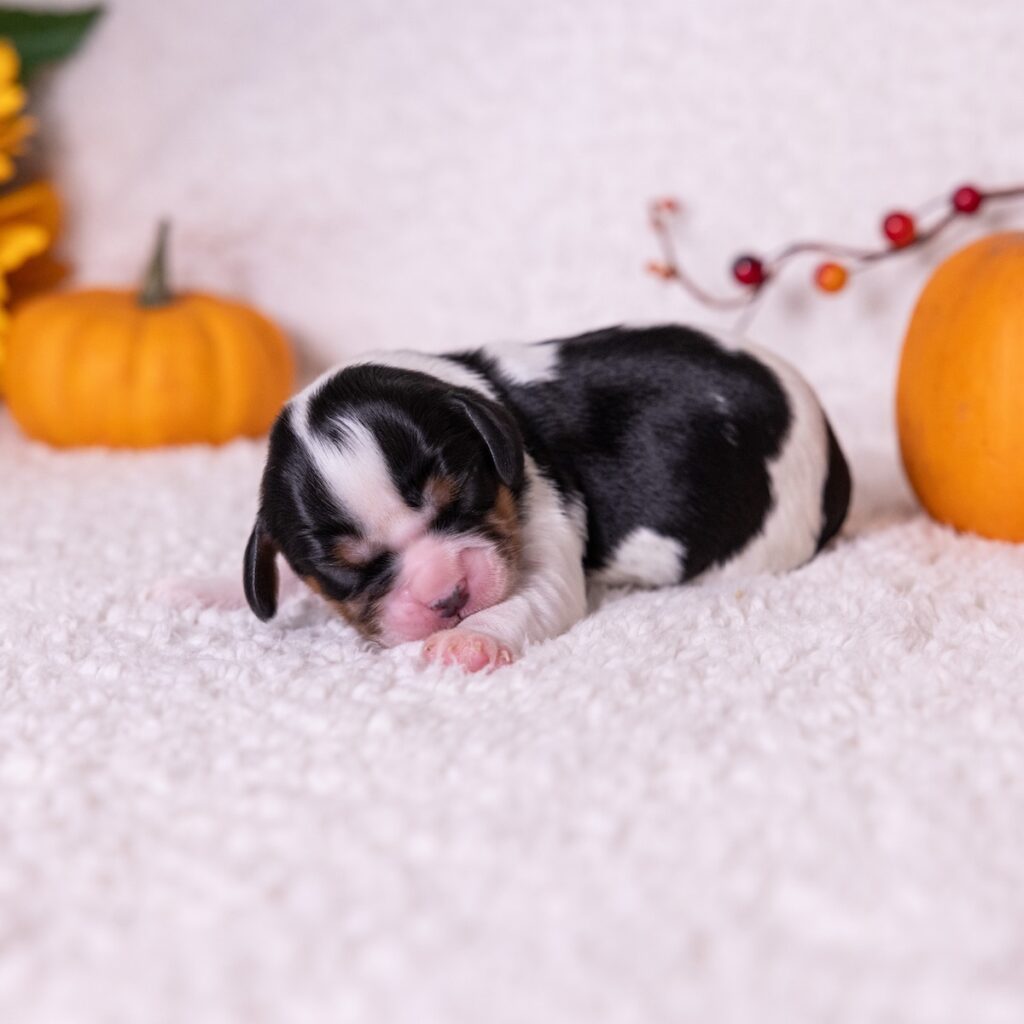
Do Cavalier King Charles Spaniels Shed? Here's the Honest Answer (And Why It Doesn't Matter)
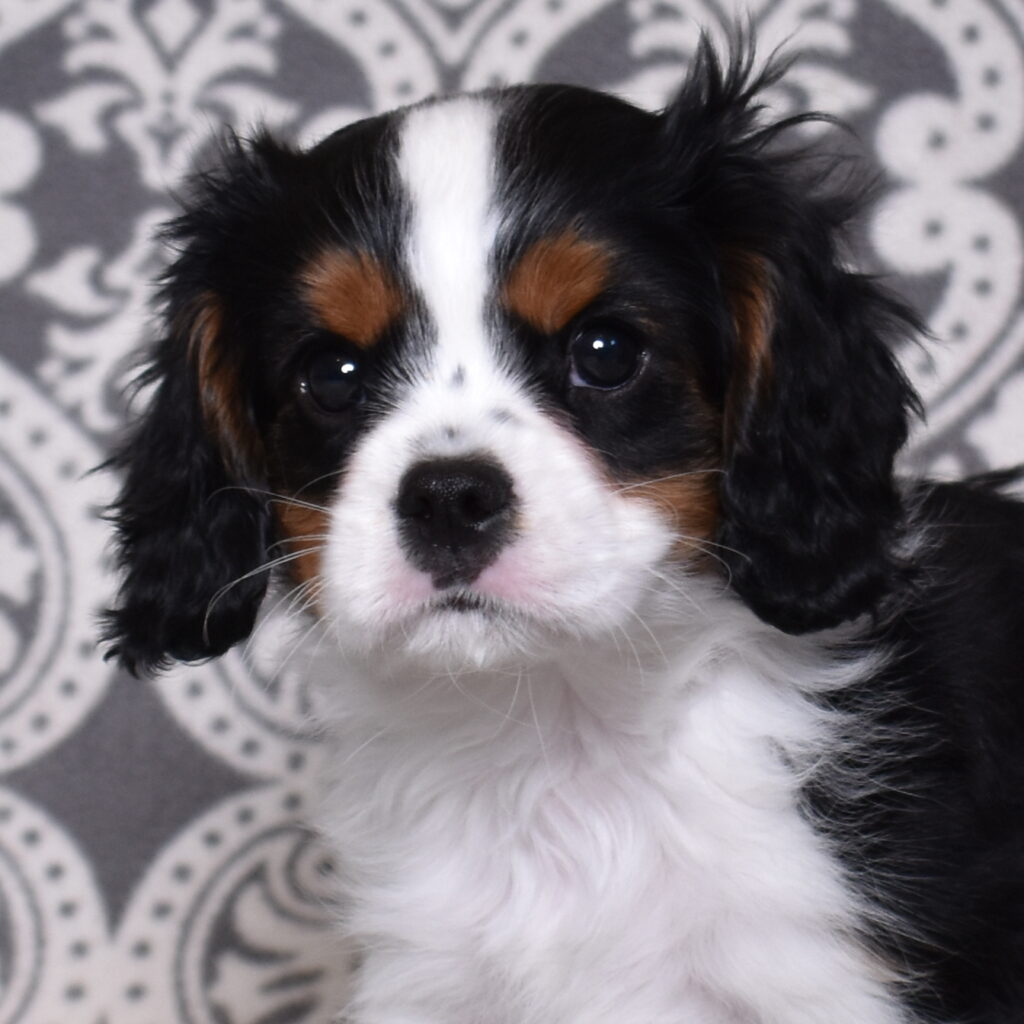
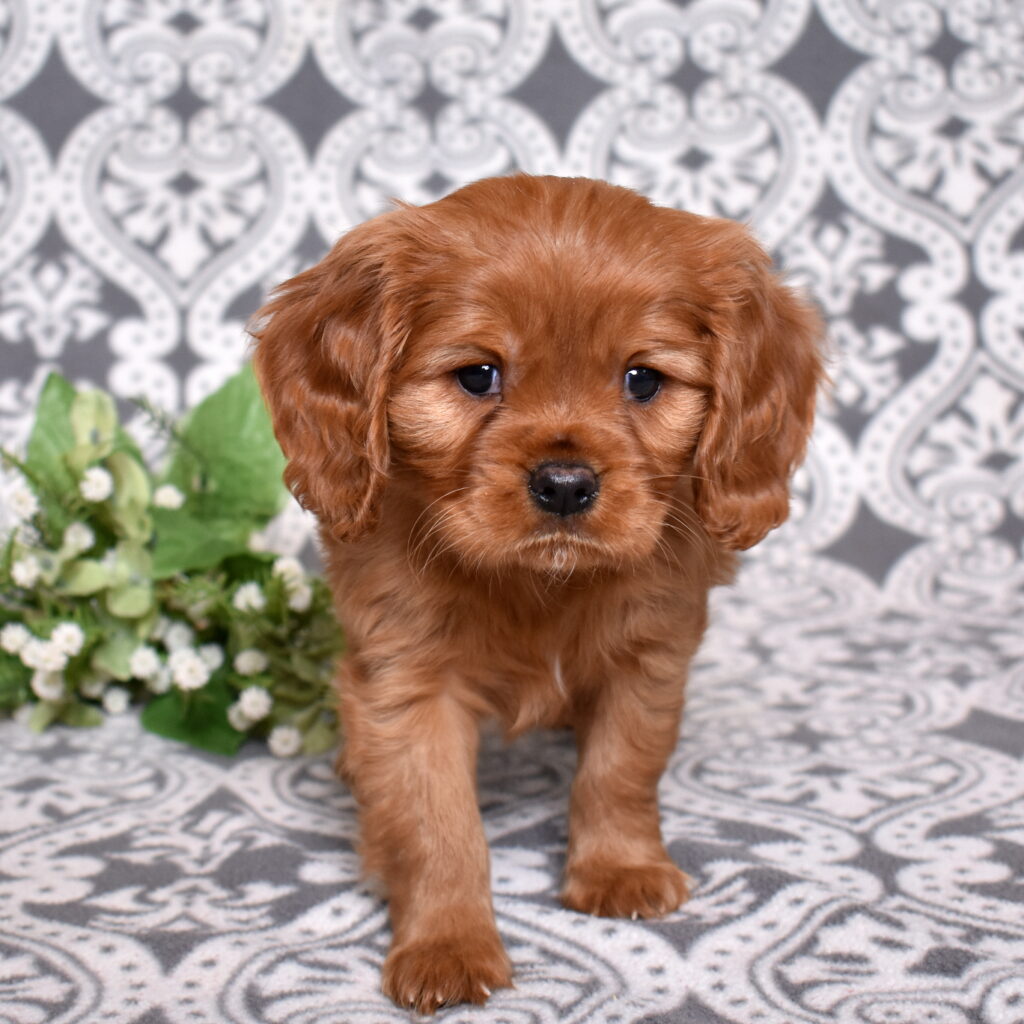
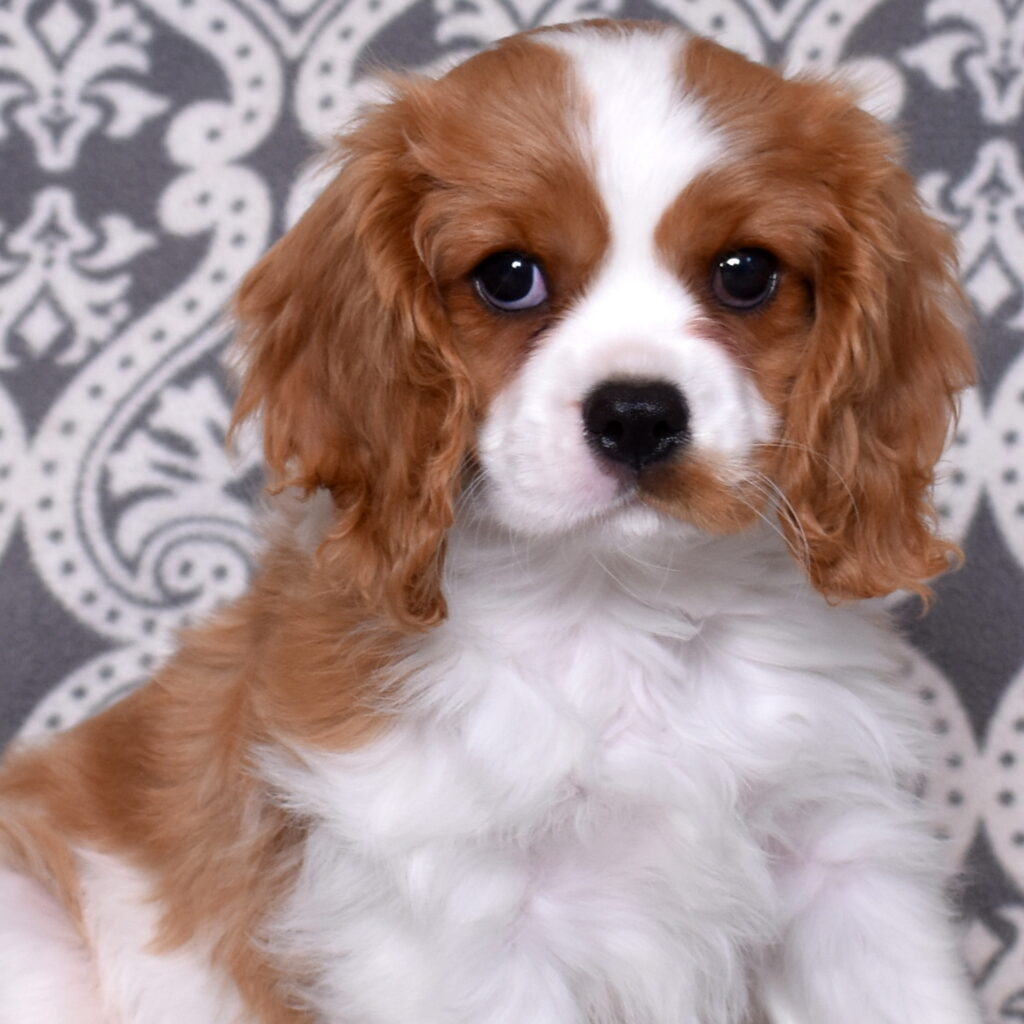
If you’ve been researching Cavalier King Charles Spaniels, you’ve probably typed some version of this question into Google: do Cavalier King Charles shed? And if you landed here, you deserve an honest, no-fluff answer — not the kind of vague, wishy-washy response that leaves you more confused than when you started.
So here it is: Yes, Cavalier King Charles Spaniels do shed. They are not hypoallergenic. They will leave silky little hairs on your couch, your black pants, and occasionally your morning coffee if you’re not careful.
But here’s what we believe at Little Stream Puppies, after years of raising and loving this breed: for the right family, Cavalier shedding is one of the most manageable, overstated, and easy-to-handle aspects of owning what might just be the most joyful dog on the planet. Keep reading, because we’re going to show you exactly why.
Understanding Why Cavalier King Charles Spaniels Shed
Before we talk solutions, it helps to understand what you’re actually dealing with. Cavaliers have a medium-length, silky double coat. That double coat is part of what gives them their signature soft, feathery appearance — those gorgeous flowing ears, the plume of a tail, the feathering on their legs and chest. It’s also why they shed.
Like most double-coated breeds, Cavaliers go through two heavier shedding periods per year — typically in the spring and fall — as they transition between their seasonal coats. This is often called “blowing their coat,” and during these windows you’ll notice a noticeable uptick in loose fur. Outside of those periods, shedding is moderate and consistent rather than dramatic.
Compared to heavy shedders like German Shepherds, Huskies, or Golden Retrievers, Cavalier shedding falls comfortably in the moderate range. Their hair is fine and silky rather than coarse, which actually makes cleanup easier than you might expect — it doesn’t embed itself into fabric the way thick undercoat fur does.
Our Honest Opinion on Cavalier Grooming
We’re going to give you our real take here, because we think too many breeders gloss over the grooming conversation entirely.
Cavaliers do require consistent grooming. Not an hour-a-day commitment, not an expensive professional grooming appointment every two weeks — but a regular, intentional routine that becomes second nature within a few weeks of bringing your puppy home. Here’s what that actually looks like:
Brushing: 3–4 Times Per Week
This is the single most effective tool you have against shedding. A good brushing session a few times per week removes loose fur before it ends up on your furniture. It also prevents the tangles and mats that can form in a Cavalier’s feathering, particularly behind the ears and under the legs.
Our recommendation: invest in a good quality slicker brush and a metal greyhound comb. The slicker brush handles the bulk of the coat; the comb gets into the feathering. Together, they take about 10 minutes per session once you’re in a rhythm — less time than scrolling your phone before bed.
During heavy shedding seasons in spring and fall, bump that up to daily brushing for a few weeks. It makes a dramatic difference.
Bathing: Every 4–6 Weeks
Cavaliers don’t need frequent baths, and over-bathing can actually strip the natural oils that keep their coat healthy and beautiful. Every four to six weeks is a solid rhythm, using a gentle dog shampoo formulated for silky or long coats. A good bath followed by a thorough blow-dry and brushing session will remove a significant amount of loose undercoat all at once.
Many Cavalier owners find that a bath right at the start of a shedding season dramatically reduces the amount of fur that ends up around the house in the weeks that follow.
Professional Grooming: Every 3–4 Months
We recommend occasional professional grooming — not because Cavaliers need dramatic trimming, but because a professional can thin out the undercoat, tidy the feathering, and clean up around the paw pads and ears in ways that most pet owners don’t have the tools or angles to manage at home.
A good groomer familiar with the breed will never shave a Cavalier’s coat (which can actually disrupt coat texture and growth) but will instead work with the natural coat to keep it healthy and manageable.
Bonus: The Right Tools Make All the Difference
If you’re going to invest in anything for your Cavalier, invest in a good vacuum with a pet hair attachment and a lint roller you keep in every room. We say this without embarrassment. It’s just part of the deal, and the families who embrace it rather than fight it have a much happier experience.
If You Have Allergies, Here's What You Need to Know
We want to be straightforward with you: if you or someone in your household has a dog allergy, Cavalier King Charles Cavalier Puppies may not be the right fit.
Dog allergies are typically triggered by a protein called Can f 1, which is found in dog saliva, skin dander, and — yes — shed fur. Since Cavaliers do shed and do produce dander, they are not considered hypoallergenic and can trigger reactions in sensitive individuals.
That said, allergy severity varies enormously from person to person and from dog to dog. Some people with mild dog allergies find Cavaliers quite tolerable due to their silky (rather than coarse) coat type and moderate rather than heavy shedding. If allergies are a concern, we strongly encourage spending time with a Cavalier before committing — visit a reputable breeder, ask to spend time in a home with one, and consult your allergist.
We would never want a family to bring home a puppy only to find it creates real health challenges. That’s not good for the family, and it’s not good for the dog.
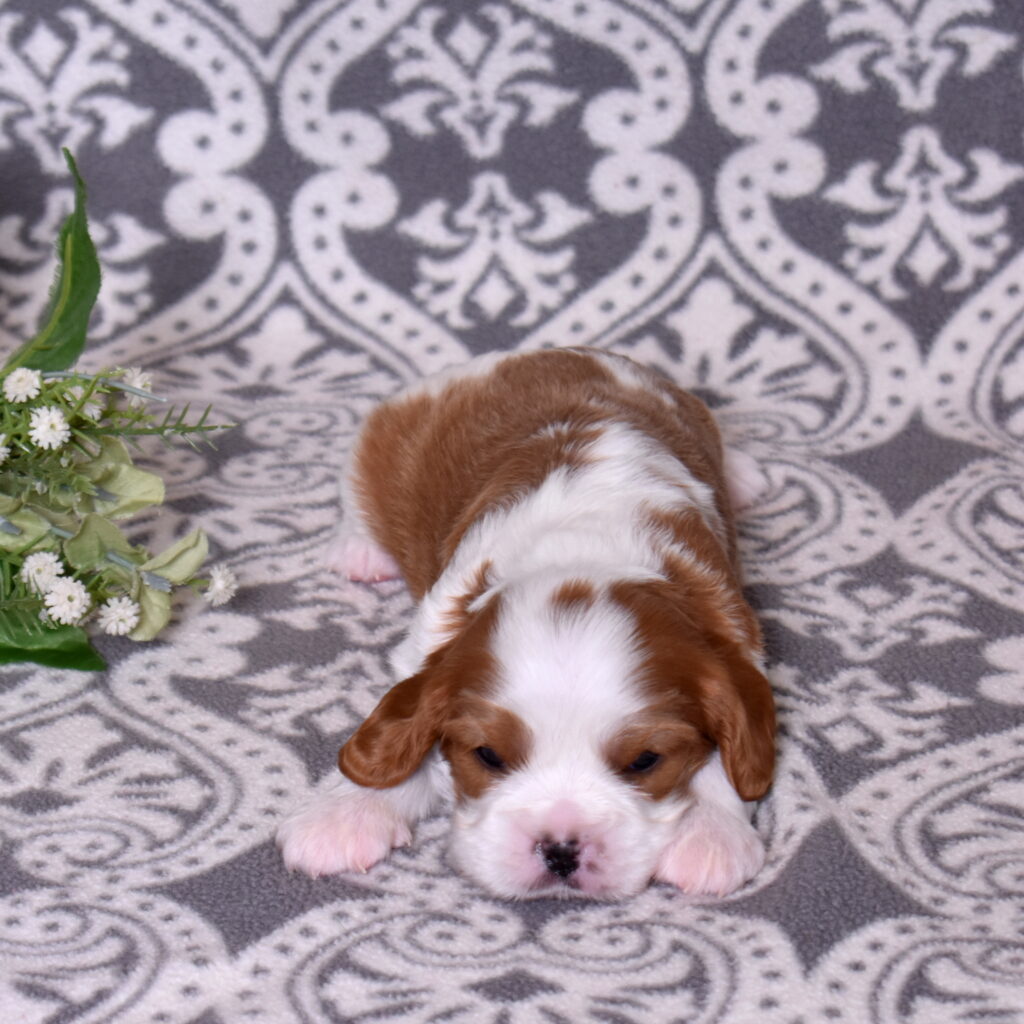
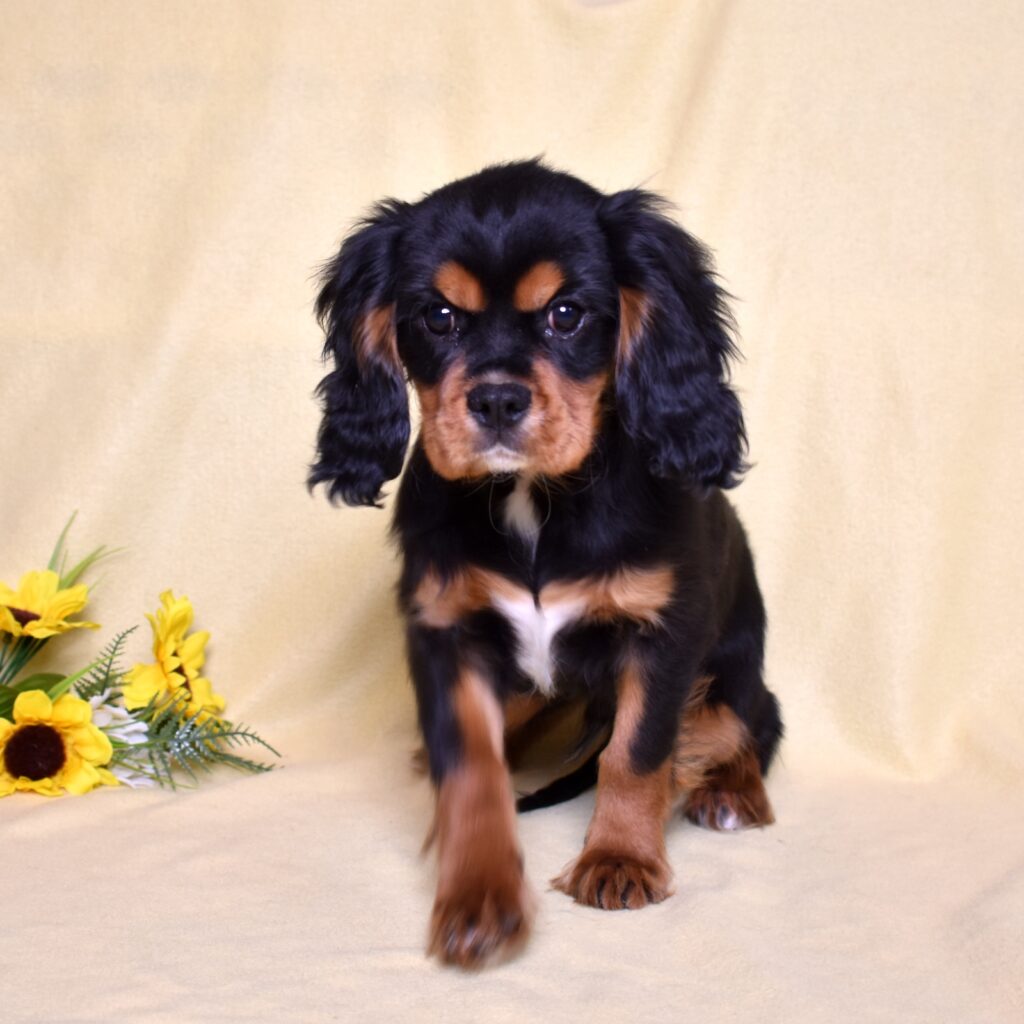
For Non-Allergy Households: Why Cavalier Shedding Is Genuinely Manageable
If allergies are off the table, let’s talk honestly about what day-to-day life with a shedding Cavalier actually looks like — because we believe this is one of the most overstated concerns in the dog world.
The fur is fine and silky. Unlike the dense, coarse undercoat of many sporting or working breeds, Cavalier fur is lightweight and tends to stay on surfaces rather than embedding itself into fabric. A quick pass with a lint roller or vacuum handles it with minimal effort.
A consistent grooming routine catches most of it. Families who brush their Cavalier three to four times per week report that shedding around the house is barely noticeable. The fur ends up in the brush, not on the furniture. This is not a complicated equation — it just requires consistency.
You adapt naturally. Every family we’ve placed puppies with has said the same thing: within a few weeks, managing the grooming routine becomes as automatic as feeding and walking. You stop thinking about it as extra work because it becomes woven into the rhythm of having a dog.
It’s a fair trade. And here’s the part we really want you to sit with.
What You Get in Return: The Case for the Cavalier
We’ve talked honestly about shedding. Now let us talk honestly about what you’re signing up for when you bring a Cavalier into your family — because in our experience, no breed offers quite the same return on investment.
A Temperament Like No Other
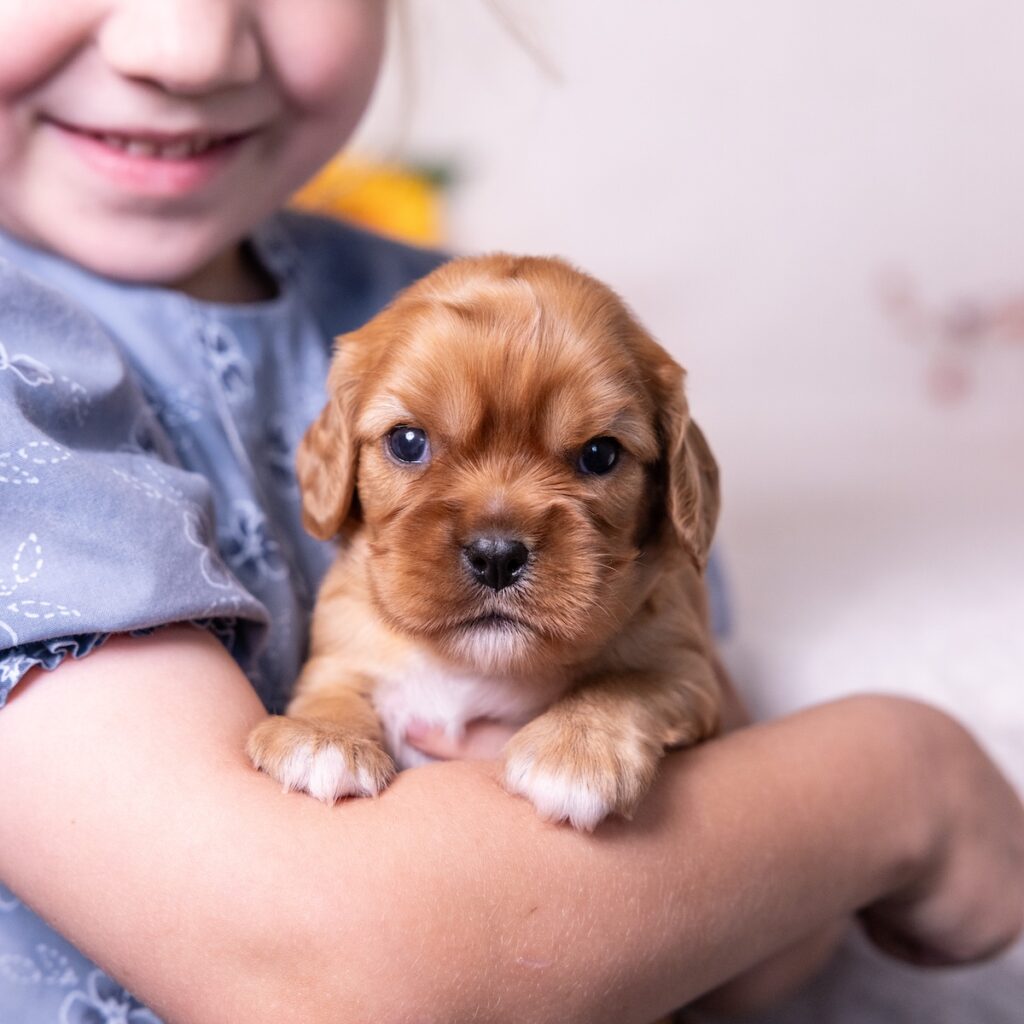
Cavalier King Charles Spaniel Temperament are often described as “the perfect family dog,” and we don’t use that phrase lightly. They are gentle, affectionate, adaptable, and genuinely people-oriented in a way that sets them apart from nearly every other breed. They don’t have the high-strung energy of a terrier, the independence of a hound, or the working-dog intensity of a border collie. They want to be with you — quietly, warmly, consistently.
This makes them extraordinary with children, wonderful with elderly family members, and one of the few breeds that truly thrives in both an active family and a quieter, slower-paced home.
Size That Works in Real Life
At 12–18 pounds, Cavaliers are a genuinely manageable size. They don’t require a backyard. They can exercise their needs met with moderate daily walks. They travel well. They fit comfortably on a lap, in an apartment, and in a busy family home. That compact size also means less fur overall — a small dog simply produces less than a large one.
Trainability and Emotional Intelligence
Cavaliers are smart, eager to please, and highly responsive to gentle, positive training. They pick up on emotional cues quickly — they seem to know when you’re sad, stressed, or under the weather, and they respond accordingly. This is not anthropomorphizing; it’s a documented characteristic of the breed that makes them popular therapy and emotional support dogs.
Longevity of the Bond
Cavaliers typically live 9–14 years. That’s over a decade of companionship, loyalty, and the specific kind of love that only a dog can offer. When you weigh that against the commitment of a weekly brushing routine, the math becomes very clear, very quickly.
They Are, Quite Simply, Beautiful
We make no apologies for including this. A well-groomed Cavalier is one of the most visually stunning dogs in the world. Those long, silky ears. The expressive, soulful eyes. The gentle, regal bearing that somehow coexists with complete goofiness the moment a ball comes out. You will be stopped on walks. You will get questions. You will find yourself slightly smug about your dog, and we fully support that.
A Note From Little Stream Puppies
At Little Stream Puppies, we raise Cavalier King Charles Spaniels because we believe this breed represents something genuinely special: a dog that gives back more than it asks. Yes, they shed. Yes, they need regular brushing. Yes, you’ll want to keep a lint roller handy.
And yes — every single one of our puppy families tells us, without exception, that it was absolutely worth it.
If you’re considering adding a Cavalier to your family and want to talk through whether the breed is the right fit for your lifestyle, we’d love to hear from you. We’re always happy to have an honest conversation — because the right match is the only match that matters.
Frequently Asked Questions About Cavalier's Shedding
Do Cavalier King Charles Spaniels shed?
Yes — Cavaliers do shed. They have a medium-length silky double coat that sheds moderately year-round, with two heavier shedding seasons in spring and fall. That said, their shedding is considered manageable compared to many other breeds, and with a consistent grooming routine most families find it very easy to keep on top of.
Are Cavalier King Charles Spaniels hypoallergenic?
No. Cavaliers are not hypoallergenic. They produce dander and shed fur, both of which can trigger allergic reactions in sensitive individuals. If allergies are a concern in your household, we always recommend spending time with a Cavalier before committing, and consulting your allergist.
How much do Cavaliers shed compared to other breeds?
Cavaliers fall in the moderate range. They shed noticeably more than truly low-shedding breeds like Poodles or Maltese, but significantly less than heavy shedders like German Shepherds, Huskies, or Golden Retrievers. Their fur is also fine and silky rather than coarse, which makes cleanup considerably easier.
When do Cavaliers shed the most?
Cavaliers experience two peak shedding periods per year — typically spring and fall — when they transition between seasonal coats. During these windows, daily brushing for a few weeks makes a dramatic difference in how much fur ends up around your home. Outside of these periods, shedding is steady and predictable.
How often does a Cavalier need a bath?
Every 4–6 weeks is the sweet spot. Over-bathing can strip the natural oils that keep a Cavalier’s coat healthy and beautiful. A bath at the start of a shedding season, followed by a thorough blow-dry and brush, can remove a significant amount of loose undercoat all at once — which really helps cut down on shedding in the weeks that follow.
How often should I brush my Cavalier?
We recommend brushing 3–4 times per week with a slicker brush and a metal greyhound comb. Once you’re in a rhythm, a full brushing session takes about 10 minutes. During heavy shedding seasons, daily brushing is ideal. Consistent brushing is the single most effective way to control shedding around your home.
Is Cavalier shedding worth it given how much they shed?
In our experience at Little Stream Puppies, absolutely — and every family we’ve placed puppies with agrees. The grooming routine becomes second nature within weeks. What you get in return is one of the most gentle, affectionate, people-oriented breeds in the world. The trade-off is one most Cavalier owners would make again without hesitation.
Can someone with mild dog allergies own a Cavalier?
Possibly, but it varies significantly by individual. Some people with mild allergies find Cavaliers quite tolerable due to their fine coat and moderate shedding. Others do not. We’d never want a family to bring home a puppy only to find it creates real health challenges, so please spend time with a Cavalier before committing and consult your allergist.

Written By Little Stream Puppies
Little Stream Puppies is a family-owned, hands-on breeding program dedicated to raising healthy, well-socialized puppies the right way. Guided by honesty, integrity, and a love for the breed, they combine rigorous health testing, ethical breeding practices, and attentive daily care to give every puppy the best possible start in life — and every family a companion they can trust for years to come.